Is it safe to let an insurance app scan my face for vitals?
A look into the data governance, regulatory compliance, and security frameworks like SOC 2 that protect consumer data when using a face scan for vitals in an insurance application.
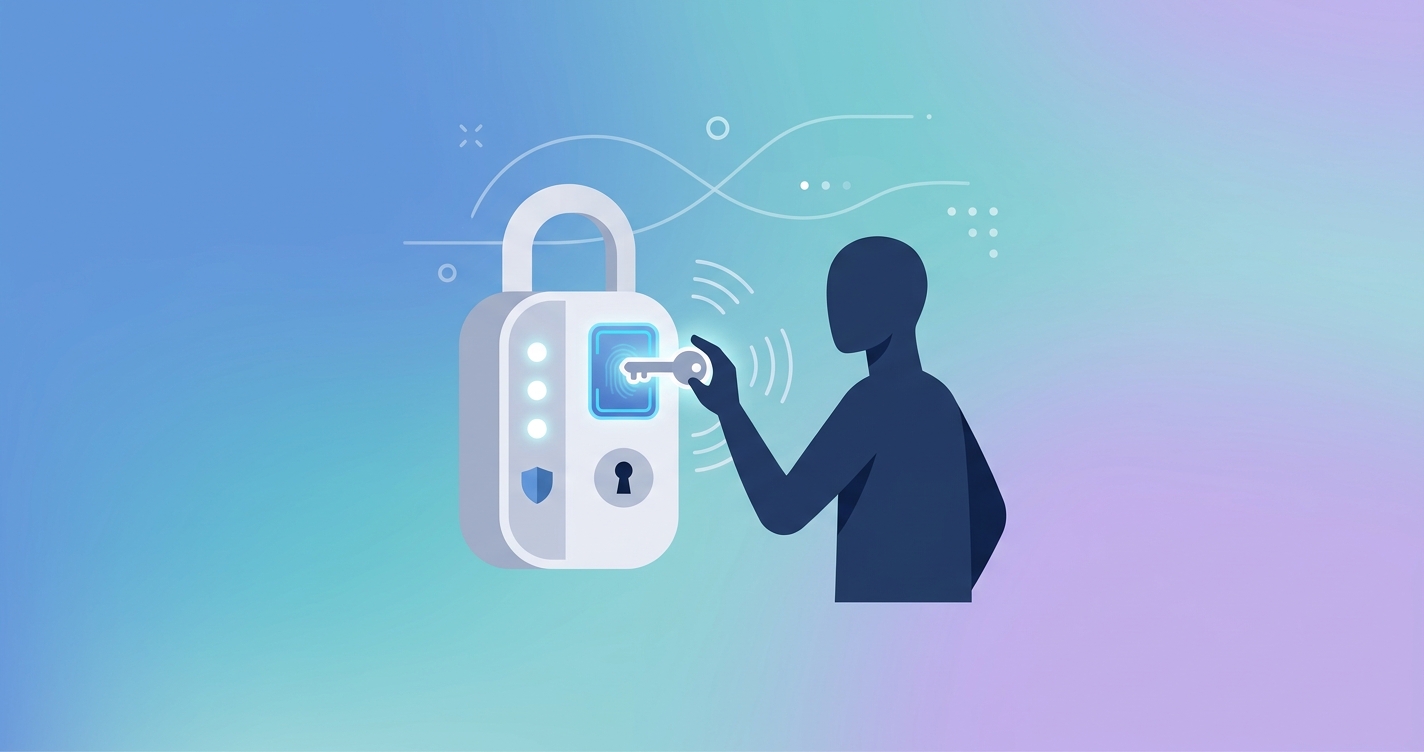
The widespread availability of smartphones with high-quality cameras has enabled a significant shift in insurance underwriting. Applicants can now complete a health assessment from their own home, in minutes, by using an application to scan their face for vital signs. This convenience, however, introduces a critical question for both consumers and the compliance officers at the carriers offering these tools: Is it safe? The term "face scan vitals insurance safety privacy" has become a central query for a public navigating this new technological frontier, demanding a clear understanding of the data governance and security frameworks that underpin it.
"Only 5% of consumers are willing to share their health data with digital technology companies."
- BEUC (The European Consumer Organisation), 2023
The regulatory and security framework for digital vitals
When an applicant uses a smartphone app to measure vital signs, the process involves a technology called remote photoplethysmography (rPPG), which analyzes subtle changes in light reflection from the face to determine physiological metrics. From a regulatory perspective, the data generated, both the video stream and the resulting health metrics, is subject to stringent protection standards. The safety of this process hinges on a multi-layered system of technical and procedural controls that carriers and their technology partners are required to implement.
At the core of this system are established security frameworks like SOC 2 (System and Organization Controls 2). A SOC 2 Type II certification, an auditing procedure developed by the American Institute of CPAs, is the gold standard for technology service providers. It isn't just a checklist; auditors test a company's systems over several months to ensure its security, availability, processing integrity, confidentiality, and privacy controls are operationally effective. For a platform handling face scan vitals, SOC 2 compliance provides independently verified assurance that robust policies are in place for data encryption, access control, and incident response.
Beyond voluntary frameworks, a patchwork of legal requirements governs this data. In the United States, if the data is used for insurance underwriting, it is considered Protected Health Information (PHI) under the Health Insurance Portability and Accountability Act (HIPAA). This classification mandates strict rules for data handling, use, and disclosure. Furthermore, specific state laws, such as Illinois' Biometric Information Privacy Act (BIPA), impose even tighter restrictions on the collection, retention, and destruction of biometric identifiers, which can include the facial geometry derived from a video scan.
Traditional vs. digital health data security measures
| Feature | Traditional Underwriting Process | Digital Face Scan Process |
|---|---|---|
| Data Collection | In-person by a paramedic; paper forms and physical fluid samples. | Remote via encrypted smartphone app; digital video analysis. |
| Data Transport | Manual transport of documents and samples to a lab; courier services. | Data is encrypted in transit using protocols like TLS 1.2+ to a secure cloud. |
| Data Storage | Physical files; lab databases with varying security protocols. | Encrypted at rest in a SOC 2-certified cloud environment; strict access controls. |
| Access Control | Relies on physical security and manual access logs. | Role-based access control (RBAC); auditable digital logs of all access. |
| Data Retention | Subject to physical storage limits and manual destruction schedules. | Automated data retention and destruction policies enforced by the system. |
Industry Applications
For chief medical officers and compliance leaders, the adoption of contactless vitals is not merely a technology decision but a governance challenge. The key is to operationalize compliance within the technology stack itself.
Explicit consent frameworks
Before any scan begins, the applicant must be presented with a clear, unambiguous consent form. This is not a typical "terms and conditions" checkbox. Regulations like GDPR and BIPA require explaining what data is being collected, how it will be used, who will have access to it, and what the user's rights are regarding their data. This consent process must be documented and auditable.
Data minimization and retention
A core principle of data privacy is minimization, collecting only the data that is strictly necessary for the task. For a vitals scan, the video of a user's face is required for the analysis, but it should not be stored indefinitely. Per HIPAA and state-level regulations, carriers must have a documented data retention policy. Typically, the raw video file is deleted as soon as the analysis is complete, with only the resulting physiological data (e.g., heart rate, respiratory rate) being passed to the underwriting engine. The retention schedule for that data is then governed by insurance and health data regulations, often 6-10 years depending on the state.
Third-party vendor scrutiny
Most carriers do not build this technology in-house; they partner with specialized software providers. This introduces third-party risk. A critical component of governance is rigorous due diligence on any vendor. This includes verifying their SOC 2 certification, auditing their data encryption methods, and contractually ensuring they adhere to the carrier's own data retention and privacy policies.
Current research and evidence
The academic and security communities are actively engaged in ensuring the privacy of rPPG technology. Research from institutions like the University of Oulu in Finland focuses on the challenge of separating physiological data from biometric identifiers. The goal is to preserve the rPPG signal quality needed for accurate vitals while mitigating privacy risks.
One promising area is the development of what researchers at ETH Zurich have termed a Secure Anonymization and Encryption Framework (SAEF). Such frameworks aim to create methods that can remove or obscure personally identifiable features from the facial video before processing, or during the initial analysis phase. These techniques ensure that even the technology provider processing the scan cannot retain a biometric identifier of the applicant, providing a powerful safeguard. This research demonstrates a commitment to building privacy directly into the technology, rather than treating it as an afterthought.
The future of regulatory technology in underwriting
The direction of the regulatory landscape is clear: requirements for data governance, security, and transparency will only become more stringent. The days of treating digital underwriting as a black box are over. Market conduct exams and regulatory audits increasingly focus on a carrier's ability to produce a "living evidence trail" that documents how data is collected, how consent is obtained, how models make decisions, and how data is ultimately destroyed. For carriers, this means that their choice of technology is also a choice of a compliance partner. Investing in platforms that are built with a "compliance-first" approach is the most effective strategy for mitigating regulatory risk and building consumer trust.
Frequently asked questions
Is the video of my face stored forever? No. A core principle of data privacy is data minimization. In a compliant system, the video file is used to analyze the vital signs and then permanently deleted. The system only retains the resulting numerical data (e.g., heart rate of 65 bpm), not the video itself, according to the carrier's documented data retention policy.
How can I be sure my data is not sold to other companies? Data collected for insurance underwriting, including health data derived from a face scan, is protected by laws like HIPAA. These laws strictly prohibit the data from being sold or used for other purposes without your explicit consent. The consent agreement you sign before the scan should clearly state how your data will be used.
What is SOC 2 and why does it matter for face scan vitals insurance safety privacy? SOC 2 is a rigorous, third-party auditing standard that verifies a technology company has strong internal controls for securing customer data. For face scan vitals insurance safety and privacy, a SOC 2 certified provider demonstrates that they have proven, audited processes for data encryption, access control, and privacy, providing a much higher level of assurance than a simple self-assessment.
For insurance carriers, navigating the complex world of digital health data regulation is a strategic imperative. The technologies that enable streamlined underwriting must be built on a foundation of auditable compliance and robust data governance. Circadify is at the forefront of addressing this space, helping carriers and their partners build compliant digital underwriting programs. To learn more about building a regulatory-ready framework, explore our compliance guides and regulatory insights.